NGT Fines Mahabalipuram Resort Rs 10 Crore for CRZ Breach
By Adv. Saravvanan R, Advocate · Reviewed by Advocate · Updated · 6 min read · Legal News & Events
Short answer
As reported, the National Green Tribunal ordered a star resort in Mahabalipuram to pay Rs 10 crore for breaking Coastal Regulation Zone norms. The petition alleged construction in CRZ areas and untreated wastewater. A committee had found that the built-up area exceeded the permission granted.
Rs 10 Crore Fine for violating the Coastal Regulation Zone norms (CRZ)
CRZ rules violation notification: The order came on the petition submitted by Kr Selvaraj Kumar from Meenavar Nala Sangam. CRZ full form - Coastal Regulation Zone
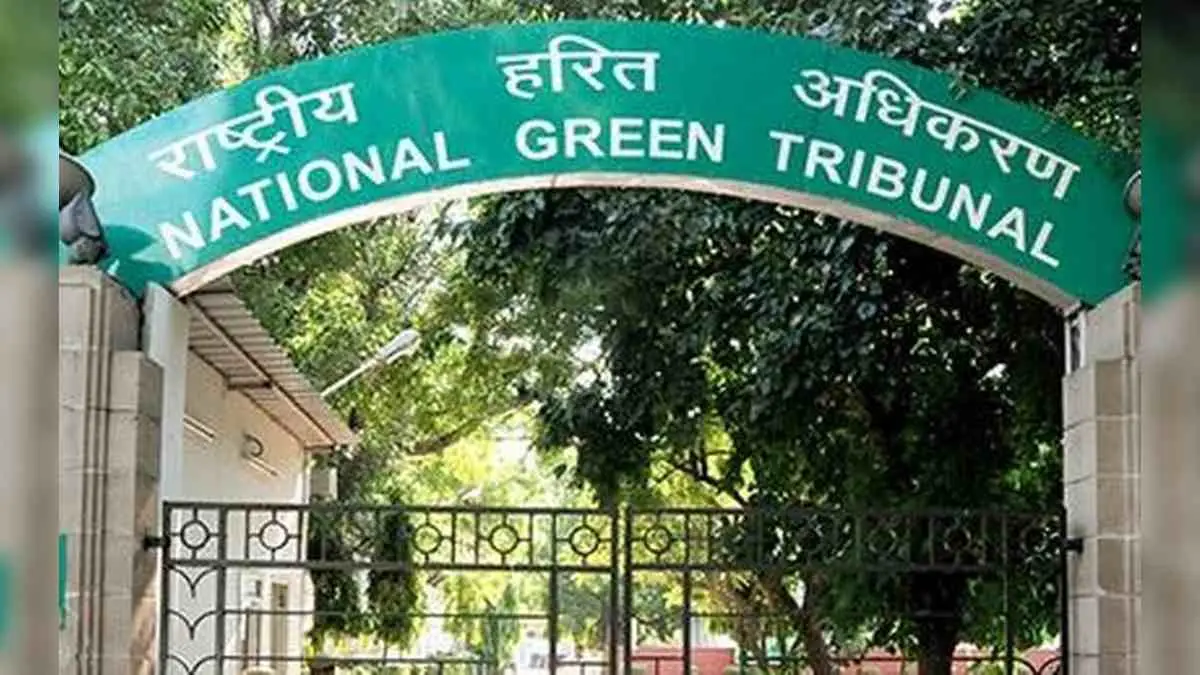
National Green Tribunal (NGT), on Friday, ordered the Radisson Blu resort in Mahabalipuram to pay Rs 10 Crore Fine for violating the Coastal Regulation Zone norms (CRZ). The verdict came to the petition submitted by KR Selvaraj Kumar, who was part of Meenavar Nala Sangam.
Resort dumped wastewater that was not treated into the sea
In the order, the resort must pay a fine in two months from the date of assessment. The petition submitted by Selvaraj Kumar has accused that this resort is located in CRZ-I and CRZ and that resort operations hamper fishing activities in the area. He also alleged that the resort dumped wastewater that was not treated into the sea, causing pollution and contamination of groundwater tables.
A committee consisting of district collectors, Chengalpet Regency, pollution control council, and district environmental engineers
NGT has formed a committee consisting of district collectors, Chengalpet Regency, pollution control council, and district environmental engineers to check the charges submitted by the Petitioner and the committee submitted a report in December 2020 where the observation was recorded after examining the resort by inspecting the resort and the premise for four days.
Government land encroachment by the resort
In its observation, the committee ruled out that the resort released wastewater that was not treated into the sea and caused pollution. It is also said that there are no examples of government land encroachment by the resort. However, the committee marked that the resort construction area had exceeded the area given permission by the National Coastal Zone Management Authority under the Norms of Coastal Regulation Zone. The illegal construction level at Radisson Blu Temple Bay Resorts is around 7,790 square meters.
National Coastal Zone Management Authority under CRZ notifications
“A unit of M/S.GRT Hotels and Resorts Private Limited, Radisson Blu, Temple Bay have built a structure in the Coastal Regulation Zone area more than the total area of built-up given in permissions by the National Coastal Zone Management Authority under CRZ notifications. The built-up area provided in the planning permit issued by the authority of the Mamallapuram new town development, “said the report.
The court also directed the resort to destroy the structures that have been built in the ‘No Development Zone’ (staff quarters), as agreed upon by resort management.
The violation of the law, which is active or passive condoned for personal gains
Indicating that when laws are implemented containing several provisions that prohibit certain types of activities, so, it is very important that such legal provisions are enforced effectively, the court commented that if the law was voluntary, if it was not voluntarily obeyed, it must be enforced. “If not, the violation of the law, which is active or passive condoned for personal gains, will be encouraged, in turn, leads to communities without law.
Violations of anti-pollution laws
Violations of anti-pollution laws not only have a negative impact on the quality of life but non-enforcement Law often results in ecological imbalances and environmental degradation, side effects that must be borne by future generations, “The order also directed the Radisson Blu resort to pay Rs 50,000 to the petitioner for his efforts to bring a violation to a court notice.
Frequently Asked Questions
What is the Coastal Regulation Zone?
Why did the NGT impose the fine, as reported?
Who can approach the NGT on an environmental violation?
Topics: EnvironmentalStartups & MSMEs
Related reading
This article is general information, not legal advice. Reading it does not create an advocate-client relationship. Read the disclaimer. Official sources: India Code, Bar Council of India.