Eco-Sensitive Zone Burden: NGT Orders Capacity Studies
By Adv. Saravvanan R, Advocate · Reviewed by Advocate · Updated · 5 min read · Legal News & Events
Short answer
The National Green Tribunal directed all States and Union Territories to study the carrying capacity of eco-sensitive zones around protected areas, as reported in March 2021. The study must assess pressure on air, water, habitat, biodiversity, land, noise and tourism. It follows a 2018 direction that States had largely not followed.
The National Green Tribunal (NGT) has directed all States and Union Territories to study the carrying capacity of eco-sensitive zones, as reported in March 2021. These zones surround protected areas and act as “shock absorbers”. The order reflects how an eco-sensitive zone carrying capacity study can guide limits on tourism, construction and traffic.
Key Takeaways
- The NGT asked States to assess the burden on eco-sensitive zones in terms of air, water, habitat, biodiversity, land, noise and tourism.
- The direction repeats an earlier order of 30 July 2018 that had seen poor compliance.
- Only a few studies had been done, as reported, including Sanjay Gandhi National Park, Manali and McLeodganj, and Mount Abu.
- The first phase is to be finished in six months and the next phase in the following six months.
- This is a news report with background. Read the original order for exact directions.
What did the NGT direct?
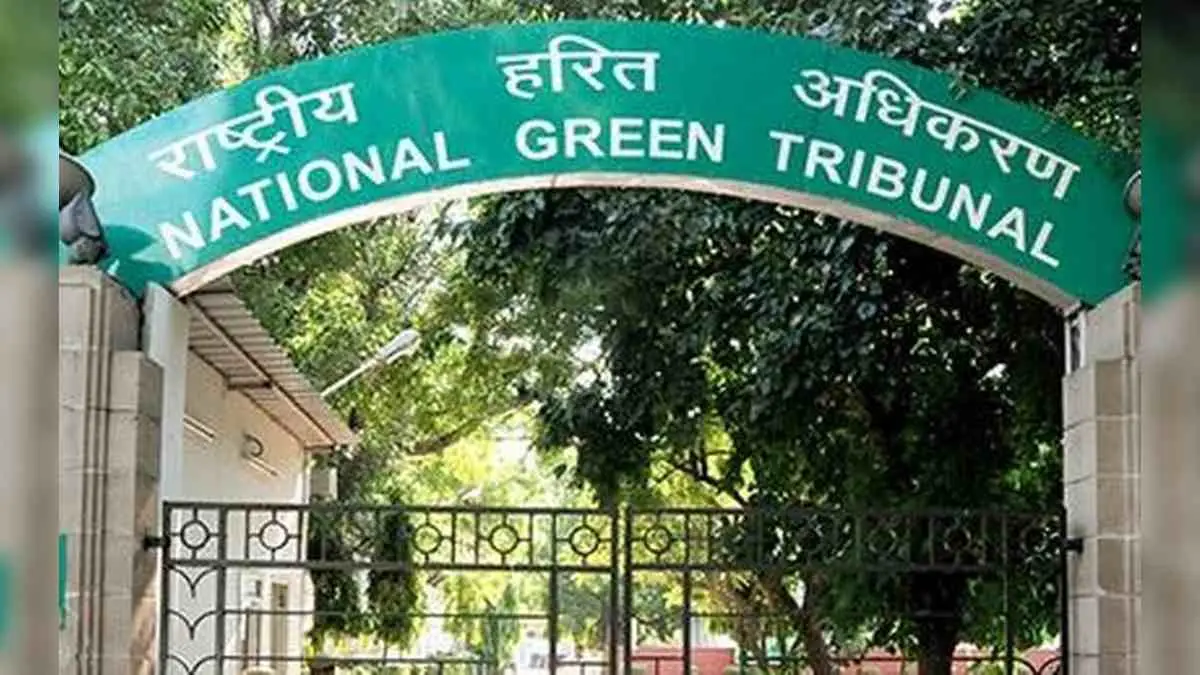
The principal bench of the National Green Tribunal directed all State governments to conduct capacity studies of all eco-sensitive zones. These zones were created to act as shock absorbers for protected areas. The Tribunal wants the pressure on each zone measured before more activity is allowed.
The order was reported as passed on 17 March. It follows an earlier direction of 30 July 2018, when the Tribunal asked the Ministry of Urban Development and the Ministry of Environment to start steps to conduct such a study. The aim was to assess the burden in terms of air, water, habitat, biodiversity, land, noise and tourism. Compliance by States was reported to be poor.
Which studies had been done so far?
Only one capacity study was reported to be carried out promptly, for the eco-sensitive zone of Sanjay Gandhi National Park in Mumbai. The Tribunal then received a carrying capacity study for the Manali and McLeodganj area, which is sensitive both environmentally and geographically.

The court also considered a similar study by an expert committee it had appointed for Mount Abu. That study was used to decide the number of tourists and vehicles that may be permitted, and to impose limits on activities such as sports climbing.
Against this background, the bench, as reported, said that similar studies are needed in all States and Union Territories. The bench was headed by the Chairperson, Justice Adarsh Kumar Goel, with judicial member Justice S K Singh and expert member Nagin Nanda, as reported.
What did the Tribunal say about sustainable development?
The Tribunal repeated its direction in order to enforce the principles of sustainable development and the precautionary principle. In the words reported:
“Apart from such needs, such studies do not seem to be done. We repeat our direction for this action adopted sequentially to enforce the principles of sustainable development and ‘caution’. In the first for example, the study can be done for at least one The sensitive area of the environment in every state/ut,” said the bench in its order on March 17.
Sustainable development means meeting present needs without harming the ability of future generations to meet theirs. The precautionary principle says that where serious damage is likely, lack of full scientific certainty should not be used as a reason to delay protective steps. Indian courts have accepted both as part of environmental law.
Who will carry out the study?
During the hearing, advisors for the Central Pollution Control Board (CPCB) said that the study is needed for all environmentally sensitive areas, but that it might be difficult for the CPCB to do the exercise itself. It was suggested that the concerned State or Union Territory carry it out by involving the relevant experts, with guidance from the Ministry of Environment, Forest and Climate Change.
The Tribunal directed that the work be coordinated by a joint committee. The members reported are the State Pollution Control Board, the Secretary or Director of Environment, and the Chief Wildlife Warden. The Secretary or Director of Environment is the nodal agency for coordination and compliance.
The first phase must be completed within six months and the next phase within the next six months. After the study, the Tribunal said, each plan for the modified eco-sensitive zones should be revised accordingly.
What does an eco-sensitive zone mean in law?
Eco-sensitive zones are notified under the Environment (Protection) Act, 1986. Each notification lists activities that are prohibited, regulated or permitted. Mining, polluting industries and large commercial construction are often restricted. The width of the zone differs from one protected area to another.
You can read the Act and its rules on India Code. Always check the final notification for the specific protected area.
Why does this matter for businesses and developers?
A carrying capacity study can lead to caps on visitors, vehicles and building density. Hotels, resorts, infrastructure projects and industries near protected areas should expect closer scrutiny.
| Area of impact | Possible effect |
|---|---|
| Tourism | Limits on visitor and vehicle numbers |
| Construction | Restrictions on new or expanded buildings |
| Industry | Stricter conditions on emissions and effluents |
| Water and waste | Tighter norms on use and disposal |
| Clearances | More detailed review of environmental conditions |
Projects must also hold the proper clearances and consents. See our guide on environmental clearances, CTE and CTO and on how to file an environmental complaint before the NGT South Zone. A related report on coastal rules is the CRZ case in Mahabalipuram.
Common mistakes by project owners
- Assuming a project outside the protected area is outside all limits.
- Not reading the final eco-sensitive zone notification for that area.
- Relying on an old clearance after conditions or norms change.
- Ignoring local community and tourism pressure in the impact assessment.
- Delaying the response to a Tribunal notice.
Other reports
- Vodafone get lenders’ Consent for Bharti Infratel-Indus Towers merger
- Delhi High Court allows a temporary moratorium on Anil Ambani’s personal assets
For general information on your matter, you may contact the firm. See also corporate litigation for the wider context of regulatory disputes.
This article is general information, not legal advice. Reading it does not create an advocate-client relationship.
Frequently Asked Questions
What is an eco-sensitive zone?
What is a carrying capacity study?
Which body gave this direction?
Does this affect businesses near protected areas?
Topics: EnvironmentalCompliance
Related reading
This article is general information, not legal advice. Reading it does not create an advocate-client relationship. Read the disclaimer. Official sources: India Code, Bar Council of India.