Corporate Law Firm · Chennai
Corporate Law Firm in Chennai | Empower Legal
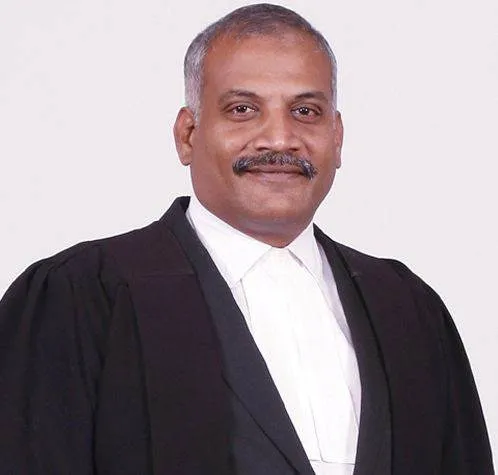
Empower Legal is the corporate law practice of Rajendra Law Office LLP in Chennai. Adv. Saravvanan R advises companies, startups, lenders, directors and promoters on incorporation, governance, contracts, transactions, disputes, insolvency, intellectual property and regulatory matters before courts and tribunals in Tamil Nadu and elsewhere in India.
- Courts & tribunals across India
- Confidential consultations
- English & Tamil
- Offices in Chennai
What is Empower Legal, the corporate law firm in Chennai?
Empower Legal is the corporate law practice of Rajendra Law Office LLP in Chennai. The practice is led by Adv. Saravvanan R, Advocate and Legal Consultant. It advises on company law, commercial contracts, corporate disputes, insolvency, intellectual property and regulatory matters.
This website is an information resource. It explains how Indian corporate law works in plain words, so that business owners, directors and lenders can understand their position before they speak to an advocate. It does not advertise outcomes, and nothing here is a substitute for advice on your own facts.
Our work sits at the point where business decisions meet legal rules. A company has to be formed correctly. It has to be run in line with the Companies Act, 2013 and other laws. It has to sign contracts, raise money, hire people, protect its brand and, at times, defend or enforce its rights. We help with each of these stages.
You can read more about the firm and the advocate on the About page. If you want to know how to reach the offices, see the Contact page. General questions are answered on the FAQ page.
Key points about this website
- It is general legal information for businesses in India, with a focus on Chennai and Tamil Nadu.
- It follows the Bar Council of India Rules on advertising by advocates. It carries no testimonials, case results or claims of rank.
- Every guide cites only provisions the authors are sure of, and tells readers to check official portals for current forms and rules.
- Reading it does not create an advocate-client relationship.
Who does the firm assist?
The firm works for businesses and for the people who run them or lend to them. Most matters fall in one of the groups below.
Companies and LLPs
Private limited companies, public companies, one person companies, LLPs and partnership firms need steady legal support. The needs range from incorporation and share issues to board processes, annual filings, agreements and disputes. A company that keeps its records in order finds every later step easier, from a bank loan to a due diligence exercise.
For the basics of choosing and setting up an entity, see the complete guide on company incorporation and business setup. If you are weighing structures, the article on sole proprietorship vs company sets out the differences.
Startups and founders
Early-stage businesses face a different set of questions. Who owns the intellectual property? How should founder equity be held? What should the shareholders agreement say about exits and vesting? What does an investor expect to see in the records? Founders often find these questions only when a term sheet arrives, and by then the options are fewer.
Our startup legal advisory guide covers these topics in order. The startup legal checklist for founders is a shorter starting point.
Lenders, banks and creditors
Lenders need documents that can be enforced and, when a loan turns bad, a clear view of the remedies. These include notices, recovery proceedings before the Debts Recovery Tribunal, action under the SARFAESI Act, 2002, and applications under the Insolvency and Bankruptcy Code, 2016. The guide on insolvency, bankruptcy and debt recovery explains the choices.
Directors and promoters
Directors carry duties and, in some cases, personal exposure. These duties are set out in the Companies Act, 2013, and the article on directors’ duties and liabilities explains them. Promoters often ask about their position in a shareholders agreement, in a related party transaction or after a regulatory notice.
Foreign and non-resident businesses
A foreign company entering India has to deal with the Foreign Exchange Management Act, 1999, sector rules on foreign investment and reporting to the Reserve Bank of India. The firm advises on these points. Our guide on foreign direct investment in Indian companies is a useful first read.
What practice areas does the firm cover?
The firm’s work is grouped into fifteen areas. Each has a detailed guide on this website. The guide is a good first read; it is not a substitute for advice.
Company incorporation and business setup
Choosing between a private company, public company, OPC, LLP or partnership affects tax, liability, funding and compliance for years. The incorporation work covers name approval, digital signatures, director identification, the SPICe form, the Memorandum and Articles, registered office requirements and post-incorporation steps. Read the pillar guide on company incorporation and the step-by-step article on private limited company registration.
Corporate governance and compliance
A company has recurring duties: board meetings, annual general meetings, statutory registers, annual returns, audits and director KYC. Missing a filing leads to additional fees and, in some cases, penalties or director disqualification. The corporate governance and compliance guide explains the framework, and the annual compliance calendar lists what falls due and when.
Mergers and acquisitions
Mergers, demergers, share purchases and asset transfers raise questions of valuation, approvals, tax, employees and contracts. Schemes of arrangement under the Companies Act, 2013 go before the National Company Law Tribunal. Competition law approvals may also apply when the size thresholds are met. See the mergers and acquisitions guide.
Joint ventures and strategic alliances
Two businesses that work together need clear terms on capital, control, deadlock, intellectual property, non-compete limits and exit. A joint venture can be a company, an LLP or a contract. Our joint ventures and strategic alliances guide walks through the structure options and the clauses that matter most.
Corporate contracts and commercial law
Most business disputes begin in a contract. Good drafting reduces risk: a clear scope, payment terms, liability limits, termination rights, confidentiality, governing law and a workable dispute clause. The corporate contracts and commercial law guide covers the common agreements. For shareholder arrangements, see shareholders agreement key clauses.
Startup legal advisory
Beyond incorporation, startups need founder agreements, employee equity plans, vendor and customer contracts, data protection practices and investor-ready records. The start-up legal advisory guide sets out a practical sequence, and the article on employee stock option plans explains ESOP design.
Private equity and venture capital
Investment rounds involve a term sheet, due diligence, a subscription or share purchase agreement, a shareholders agreement and filings with the Registrar and, for foreign investors, with the Reserve Bank of India. The private equity and venture capital guide describes each step and the points investors and founders usually negotiate.
Foreign exchange and RBI compliance
Cross-border investment, external commercial borrowing, export proceeds and overseas direct investment are all regulated under FEMA. Reporting delays can be regularised through compounding in some cases. Read the guide on foreign exchange and RBI compliance and the article on FEMA compounding procedure.
Corporate litigation
Corporate disputes include shareholder conflicts, oppression and mismanagement petitions, recovery suits, cheque dishonour proceedings and contract claims. Commercial disputes above the specified value go before commercial courts under the Commercial Courts Act, 2015. The corporate litigation guide explains the forums and stages.
Insolvency, bankruptcy and debt recovery
The Insolvency and Bankruptcy Code, 2016 lets a creditor, or the company itself, start a time-bound resolution process before the NCLT. Banks also use the Debts Recovery Tribunals and the SARFAESI Act. The insolvency and debt recovery guide compares the routes, and the article on Sections 7 and 9 of the IBC explains how a financial or operational creditor starts a case.
Intellectual property law
Brands, software, designs, inventions and creative works need protection. This means trademark registration, copyright, patents, designs and contractual assignments. The intellectual property law guide covers registration, infringement and enforcement.
Arbitration and alternative dispute resolution
Many commercial contracts send disputes to arbitration under the Arbitration and Conciliation Act, 1996. Mediation is also encouraged, and the Mediation Act, 2023 now gives a statutory framework. The arbitration and ADR guide explains how these processes work, and the article on arbitration clause drafting helps in writing a workable clause.
Property and real estate legal opinion
A company that buys land or premises should check title, encumbrances, approvals and registration before paying. The property and real estate legal opinion guide explains the document trail, and the article on the legal opinion format for property in Tamil Nadu shows what a title report usually contains.
Tax, labour and regulatory disputes
Notices under GST, income tax, customs and labour laws can reach any business. A timely and well-supported reply matters. The tax, labour and regulatory disputes guide explains the appeal forums, and the article on common mistakes while replying to GST notices lists errors to avoid.
Cyber law and data protection
Companies that handle personal data have duties under the Digital Personal Data Protection Act, 2023 and the Information Technology Act, 2000. The cyber law and data protection guide sets out these duties, and the article on the difference between the IT Act and the DPDP Act explains how the two laws fit together.
Practice areas at a glance
| Area | Typical questions | Where to read |
|---|---|---|
| Incorporation | Which entity? Which documents? | Incorporation guide |
| Governance | Which filings are due? | Governance guide |
| M&A | How is a merger approved? | M&A guide |
| Joint ventures | How is control shared? | JV guide |
| Contracts | What should the agreement say? | Contracts guide |
| Startups | How to hold founder equity? | Startup guide |
| PE and VC | What does an investor ask? | PE and VC guide |
| FEMA | Is RBI reporting needed? | FEMA guide |
| Litigation | Which forum has jurisdiction? | Litigation guide |
| Insolvency | How is a debt recovered? | Insolvency guide |
| IP | How is a brand protected? | IP guide |
| ADR | Arbitration or mediation? | ADR guide |
| Property | Is the title clear? | Property guide |
| Tax and labour | How to reply to a notice? | Tax and labour guide |
| Cyber law | What does the DPDP Act require? | Cyber law guide |
How does a legal matter proceed with the firm?
Every matter is different, but most follow a similar path. Knowing the path helps you prepare and keeps the work focused.
Step 1: First enquiry
You describe the issue in a few lines and share basic documents. At this stage the firm checks that it can act, that there is no conflict of interest, and that the matter falls within its practice. A first enquiry is not an engagement.
Step 2: Review of facts and documents
The advocate reads the agreements, notices, orders and correspondence. A timeline of events is prepared. Gaps in the documents are identified. Many problems become clear only after the papers are read in order.
Step 3: Advice on the legal position
The advocate explains the applicable law, the options, the risks and the likely steps in plain language. Where the outcome depends on facts that are not yet clear, that is stated openly. No result is promised.
Step 4: Scope and fees
The scope of work and the fee arrangement are discussed and agreed before work begins. The Bar Council of India Rules allow advocates to agree fees with clients; they do not allow advocates to advertise fee offers. For that reason, fee details are shared only in direct discussion.
Step 5: Action
Depending on the matter, this may mean drafting a document, sending a notice, preparing a reply, making a filing or appearing before a court or tribunal. Deadlines are tracked, because limitation periods and statutory timelines are strict in company, insolvency and tax matters.
Step 6: Follow-up and closure
The client is kept informed of each development. When the matter ends, the papers are returned or retained as agreed, and the client is told about any continuing compliance steps.
Which courts and tribunals does the firm appear before?
Corporate matters travel through several forums. The right forum depends on the subject, the parties and the amount involved. The list below is general. It does not suggest that any particular result has been or will be achieved.
| Forum | Typical subject |
|---|---|
| Civil courts and commercial courts | Contract, recovery and commercial disputes |
| High Court | Writ petitions, appeals, company and arbitration matters within its jurisdiction |
| National Company Law Tribunal (NCLT) | Company petitions, schemes of arrangement, insolvency of companies |
| National Company Law Appellate Tribunal (NCLAT) | Appeals from the NCLT and certain regulators |
| Debts Recovery Tribunal (DRT) and Appellate Tribunal (DRAT) | Recovery of debts due to banks and financial institutions |
| Arbitral tribunals and mediation | Contractual disputes referred under an agreement |
| Tax and customs tribunals | Appeals in income tax, GST and customs matters |
| Consumer commissions | Consumer disputes, where the law applies |
| Central Administrative Tribunal | Service matters of government employees |
| Supreme Court of India | Appeals and constitutional questions |
You can read about specific forums in our articles on the NCLT Chennai bench filing procedure, the difference between DRT and DRAT and DRAT appeal limitation and pre-deposit.
Court rules, fees and filing formats change from time to time. Official portals such as eCourts, the Ministry of Corporate Affairs and the Insolvency and Bankruptcy Board of India publish current information, and readers should check them before acting.
What principles guide the firm’s work?
The firm follows a short set of working principles. They are professional duties, not slogans.
Confidentiality
What a client tells an advocate for the purpose of advice is protected by the duty of confidentiality under the Advocates Act, 1961 and the Bar Council of India Rules, and by the law of evidence. Files are handled with care, and information is shared only with those who need it for the matter.
Fee transparency
Fees are agreed with the client before work starts. The firm does not advertise fees, discounts or packages, because the Bar Council of India Rules restrict advocates from soliciting work. The scope, the stages and the manner of billing are explained at the time of engagement.
No promises about outcomes
Courts and tribunals decide cases on facts and law. An advocate cannot honestly promise a result. The firm explains the legal position, the strengths and weaknesses of a case and the options, and leaves the decision to the client.
Conflict of interest
The firm does not act where its duty to one client would conflict with its duty to another. Where a conflict is found, the client is told.
Plain language
Legal advice is useful only when it is understood. The firm explains the position in simple words, shows the reasoning and avoids jargon where it can.
Respect for the Bar rules
This website follows Rule 36 of the Bar Council of India Rules, which limits advertising and solicitation by advocates. For that reason it does not list client names, show testimonials, claim rankings or invite readers to hire the firm. Readers who want to confirm the rules can visit the Bar Council of India website.
What should Chennai and Tamil Nadu businesses know about local jurisdiction?
The law is national, but where you file matters. A few local points help businesses based in Chennai and Tamil Nadu.
Registrar of Companies
A company’s filings are made online through the Ministry of Corporate Affairs portal, and the Registrar of Companies with jurisdiction over a company depends on the State of its registered office. Companies with a registered office in Tamil Nadu come under the Registrar of Companies, Chennai. A change of registered office from one State to another needs an approval process, which is covered in the guide on registered office requirements.
National Company Law Tribunal
The NCLT has a bench at Chennai. The territorial jurisdiction of each bench depends on where the company’s registered office is situated. Company petitions, schemes of arrangement and insolvency applications are filed before the bench with jurisdiction. Read the article on the NCLT Chennai bench filing procedure for the process.
Debts Recovery Tribunal
Debts Recovery Tribunals and the Appellate Tribunal sit at Chennai. Banks and financial institutions file recovery applications where the defendant resides or carries on business, or where the cause of action arose, subject to the Recovery of Debts and Bankruptcy Act, 1993. See the articles on the DRAT location in Chennai and DRT case status online.
High Court of Madras
The Madras High Court has its principal seat in Chennai and a Bench at Madurai. Its jurisdiction covers Tamil Nadu and the Union Territory of Puducherry. Writ petitions, arbitration applications, appeals and certain company matters are heard there, subject to its rules and its Original Side practice.
Commercial courts
Commercial disputes of the specified value are heard by the commercial courts and the commercial division of the High Court, which follow the pre-institution mediation and case management rules in the Commercial Courts Act, 2015. Check the current specified value and rules before filing.
Real estate regulation
Real estate projects in Tamil Nadu are regulated under the Real Estate (Regulation and Development) Act, 2016 and the State rules. Disputes go to the State Real Estate Regulatory Authority and the Appellate Tribunal. Property purchases also involve registration and stamp duty rules specific to Tamil Nadu, which should be checked with the Registration Department and a qualified advocate.
Language and documents
Many land and revenue records in Tamil Nadu are in Tamil. Translations and certified copies are often needed for filings. The firm can explain the process, as set out in the article on the legal opinion format in Tamil.
What popular guides can I read first?
These articles answer common questions from businesses. Each is general information and should be read with the date of the article in mind.
Company formation and structure
- Private limited company registration in India: complete guide 2026
- LLP registration: complete process
- Company vs LLP vs partnership in India
- Memorandum and Articles of Association drafting guidelines
Compliance and governance
- Post-incorporation compliance checklist for new companies
- Board meetings and resolutions: legal requirements and minutes
- Annual return filing, Form MGT-7
- Related party transactions: disclosure and approval requirements
Funding, shares and agreements
- Share allotment process and documentation requirements
- Equity shares vs preference shares
- Shareholders agreement in India: key clauses and enforceability
Disputes and recovery
- Legal notice for recovery of money from a company
- Cheque bounce and Section 138 legal notice
- SARFAESI Section 17 appeal to the DRT
- NCLAT SOP 2026: points for companies and litigants before filing
Data protection and customs
- Impact of the DPDP Act on cross-border data transfers
- How to respond to a show cause notice on customs duty
Which statutes and regulators come up most often?
Corporate work draws on a number of Acts. The table lists the main ones in the order in which a growing business usually meets them. It is a reading aid, not a complete list.
| Law | What it mainly governs |
|---|---|
| Companies Act, 2013 | Formation, management, meetings, filings, mergers and winding up of companies |
| Limited Liability Partnership Act, 2008 | Formation and running of LLPs |
| Indian Contract Act, 1872 | Formation, performance and breach of contracts |
| Securities and Exchange Board of India Act, 1992 | Regulation of securities markets and listed companies |
| Foreign Exchange Management Act, 1999 | Cross-border investment, payments and borrowing |
| Insolvency and Bankruptcy Code, 2016 | Resolution and liquidation of insolvent companies |
| Arbitration and Conciliation Act, 1996 | Arbitration and enforcement of awards |
| Commercial Courts Act, 2015 | Fast-track procedure for commercial disputes |
| Trade Marks Act, 1999 and related IP laws | Brands, designs, copyright and patents |
| Digital Personal Data Protection Act, 2023 | Handling of digital personal data |
The statutes themselves can be read on India Code. Rules, forms and thresholds under these Acts are amended from time to time, so the current text should always be checked.
When should a business speak to an advocate?
Many legal problems become costly because they are noticed late. A few moments in a company’s life are good times to take advice.
- Before choosing an entity or signing a founders agreement.
- Before issuing shares, signing a term sheet or taking a loan.
- Before signing a contract that carries high value, a long term or a heavy liability clause.
- On receiving a legal notice, a show cause notice or a summons. These carry deadlines, and a late reply can limit options.
- When a director resigns, a shareholder disputes a decision or a partner wants to exit.
- Before buying property or taking premises on lease for business.
- When the company is unable to pay debts as they fall due.
- Before launching a brand, a product or a service that uses personal data.
If a notice or order has a date for reply or appearance, note the date at once. Time limits in statutes, such as limitation for appeals, are strict and are not always extended.
What are the common mistakes businesses make?
A few errors appear again and again in corporate matters.
- Skipping annual filings. Late filing attracts additional fees, and repeated default can lead to action against the company and its directors.
- Using a template contract without reading it. A document copied from the internet may not fit the deal or the governing law.
- Informal founder arrangements. Oral understandings between founders are hard to prove and cause the sharpest disputes.
- Ignoring a legal notice. A notice is often the first step before a case. A reasoned reply, sent in time, can shape what follows.
- Weak document trail. Board resolutions, minutes and registers that are missing or backdated create trouble in due diligence and in court.
- Late foreign exchange reporting. FEMA reporting has timelines. Delay can lead to compounding proceedings.
- Not protecting the brand. A business name can be used for years before anyone checks whether the trademark is available.
- Treating compliance as a one-time task. Most corporate duties repeat every year, and rules change.
What does a sensible first enquiry look like?
If you decide to write to the firm, a short and clear message helps. State who you are, the business involved, the issue in a few lines, the forum or deadline if any, and the documents you hold. Avoid sending sensitive information such as passwords, bank credentials or identity numbers.
For general information on your matter, you may contact the firm through the details on the Contact page. Please remember that an enquiry does not create an advocate-client relationship, and that the firm may decline a matter if it has a conflict or if the matter is outside its practice.
Frequently asked questions
What does a corporate law firm in Chennai do?
A corporate law firm advises businesses on how they are formed, governed, financed and restructured, and represents them when disputes arise. The work covers company law, contracts, mergers, funding, compliance, insolvency, intellectual property, tax and labour matters, and appearances before courts and tribunals.
Who can approach the firm for legal advice?
Companies, LLPs, partnership firms, startups, founders, promoters, directors, shareholders, banks, financial institutions and creditors may approach the firm. Individuals involved in a business or company matter can also seek general information about their position.
Does the firm appear before the NCLT, DRT and the Madras High Court?
The firm appears before civil courts, the High Court and tribunals such as the NCLT, DRT, DRAT and NCLAT, subject to the nature of the matter and the rules of each forum. Whether a particular matter can be taken up is decided after reading the documents.
How are legal fees decided?
Fees are discussed and agreed with the client before work starts, in line with the Advocates Act, 1961 and the Bar Council of India Rules. They depend on the work involved, the forum and the time required. The firm does not offer discounts or make fee promises through its website.
Can the firm promise the result of a case?
No. Under the Bar Council of India Rules an advocate cannot promise or guarantee an outcome. Courts and tribunals decide matters on facts, documents and law. The firm can only explain the legal position, the options available and the likely steps.
Are the details I share kept confidential?
Information shared with an advocate for the purpose of professional advice is protected by the duty of confidentiality and by law. A first enquiry through this website is not itself a client engagement, so please share only what is needed until a formal engagement is in place.
What documents should I keep ready before contacting the firm?
Keep the relevant agreements, notices, orders, company records, correspondence and a short timeline of events. For company matters, the certificate of incorporation, the Memorandum and Articles and recent filings are useful. Clear copies help the advocate form a first view quickly.
Does reading this website create an advocate-client relationship?
No. The content on this website is general information, not legal advice. An advocate-client relationship begins only when the matter is discussed, the scope and fees are agreed, and the firm accepts the engagement in writing.
Where are the offices?
The firm has two offices in Chennai.
- West Mogappair office: 8/13, 1st Floor, Bharathi Salai, West Mogappair, Chennai 600037.
- George Town office: 323/156, Andhra Insurance Building, 2nd Floor, Law Chamber 14, George Town, Chennai 600001.
Telephone: 044-26533389, 044-47660443, and. Email: corporatelawfirms@gmail.com. More detail on how to reach the offices, general office hours and what to prepare is on the Contact page.
This page is general information, not legal advice. Reading it does not create an advocate-client relationship.
Frequently Asked Questions
What does a corporate law firm in Chennai do?
Who can approach the firm for legal advice?
Does the firm appear before the NCLT, DRT and the Madras High Court?
How are legal fees decided?
Can the firm promise the result of a case?
Are the details I share kept confidential?
What documents should I keep ready before contacting the firm?
Does reading this website create an advocate-client relationship?
Topics: Company LawComplianceContractsStartups & MSMEs
Related reading
- Company Incorporation in India: Legal Guide 2026
- Corporate Governance and Compliance in India: Guide
- Corporate Litigation in India: Forums, Process, Limits
- Start-Up Legal Advisory in India: A Founder's Guide
- About Empower Legal | Corporate Law Firm Chennai
- Contact Empower Legal | Corporate Law Firm Chennai
- FAQ: Corporate Law Firm in Chennai | Empower Legal
This article is general information, not legal advice. Reading it does not create an advocate-client relationship. Read the disclaimer. Official sources: India Code, Bar Council of India.