Passport Refusal Under Section 6(2)(c): Mufti Report
By Adv. Saravvanan R, Advocate · Reviewed by Advocate · Updated · 7 min read · Legal News & Events
Short answer
As reported, the Srinagar passport office refused Mehbooba Mufti a passport, relying on Section 6(2)(c) of the Passports Act, 1967 and a CID report that her travel may be detrimental to India's security. She publicly objected to the decision. This summary is based on reports.
Passport office had refused to issue a passport to Mufti
“This is the normal level achieved in Kashmir since August 2019 that a former chief minister holding a passport is a threat to the powerful sovereignty of the nation,” Mufti tweeted.
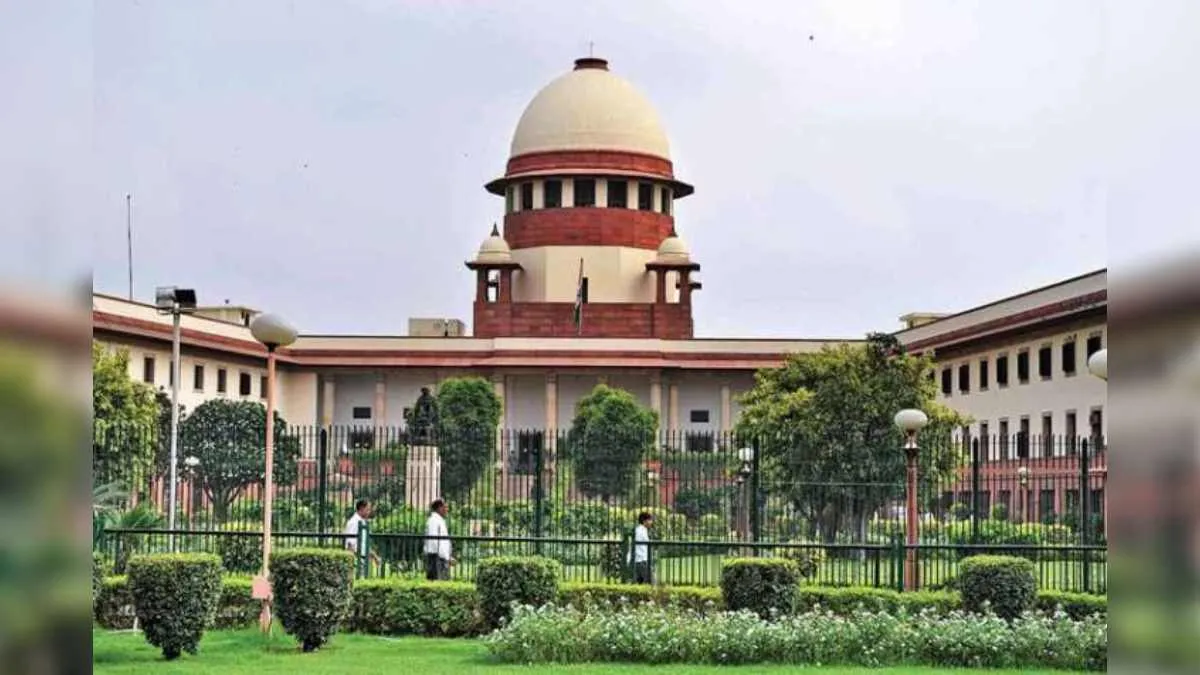
Former Chief Minister of Jammu and Kashmir peoples Democratic Party (PDP) Mehbooba Muthi on Monday said that the passport office had refused to issue a passport to her based on a report by the Department of Criminal Investigation J & K.
“The passport office refused to issue my passport based on the CID report quoting it as’ detrimental to Indian security.
This is the normal level achieved in Kashmir since August 2019 that a former chief minister holding a passport is a threat to the powerful sovereignty of the nation,” Mufti tweeted.
Possibilities of detrimental to Indian security
Citing the provisions of Section 6 (2) (c) of the passport act, 1967, which allows the authority to refuse the issue of passport or travel document to the applicant to visit any foreign country on the grounds that “that the Petitioner’s departure from India or possibilities, detrimental to Indian security “, the Srinagar passport office rejected Mufti’s application.
“Secret Note” prepared by CID Branch
The government’s letter signaling Mufti about the rejection of the passport also refers to the “Secret Note” prepared by CID Branch. The previous record was prepared by the police against the Mufti - as used to hold it under the Public Security Law after August 5, 2019 - a little more than a political catalog loaded politically. It is intended to provide facts about itself in the public domain, facts that do not prevent BJP from allied and support them as the leader of the State of Jammu and Kashmir.
Detention below the PSA
Mufti, which is placed under detention together with several political leaders of Jammu and Kashmir on August 5, 2019, when the Special Status Center J & K and branched in the Union area, released right before the Supreme Court will take a challenge. The detention is below the PSA, thus enabling the center to avoid the supervision of the judiciary - and potential cure - from unclear reasons where she has lost her freedom for 14 months.
Satwant Singh (1967) and ManeKa Gandhi (1978)
In two assessments of Landmarks - Satwant Singh (1967) and ManeKa Gandhi (1978) - The Supreme Court has been held in the past that the right of citizens for personal freedom in Article 21 of the Constitution includes the right to travel abroad.
In the case of Manaka Gandhi, the Government controlled by the Janata Party in power after the emergency seized its passport but the 7 judge bench governed that the procedure set by law where personal freedom could be limited or irrational.
Passport law to deny the passport
Although the center has called a different part of the passport law to deny the passport (rather than seized existing, perhaps because the passport has expired), the claim that her departure from India “May, or possibly, it is detrimental, it becomes detrimental to Indian security” can with Easy to determinate the reasons of arbitrariness. Mufti, who is currently being investigated by the Enforcement Directorate in connection with money laundering cases, has said that the BJP government tries to “slander my image and discredit my party”.
Hounded by trumped-up accusations like sedition or money laundering
The 61-year-old PDP leader who was questioned by ED for more than five hours on Thursday said that central agents such as the National Investigation Agency, the Central Investigation Bureau, and ED were “misused” to silence the opposition.
“Definite differences have been criminalized in this country. ED, the Central Investigation Bureau, and the National Investigation Agency are misused to silence the opposition in tactics,” said Mufti last week after emerging from the Ed office in Rajbagh. “This country is not carried out by a constitution but the agenda of certain political parties,” She accused and added that anyone who opposed the current government was “hounded by trumped-up accusations like sedition or money laundering.
Frequently Asked Questions
What did the passport office reportedly do?
What does Section 6(2)(c) of the Passports Act say?
Can a passport refusal be challenged?
Topics: Supreme CourtCompany Law
Related reading
This article is general information, not legal advice. Reading it does not create an advocate-client relationship. Read the disclaimer. Official sources: India Code, Bar Council of India.